RollerSoccer Discipline
Football Skating Club World Cup 2029
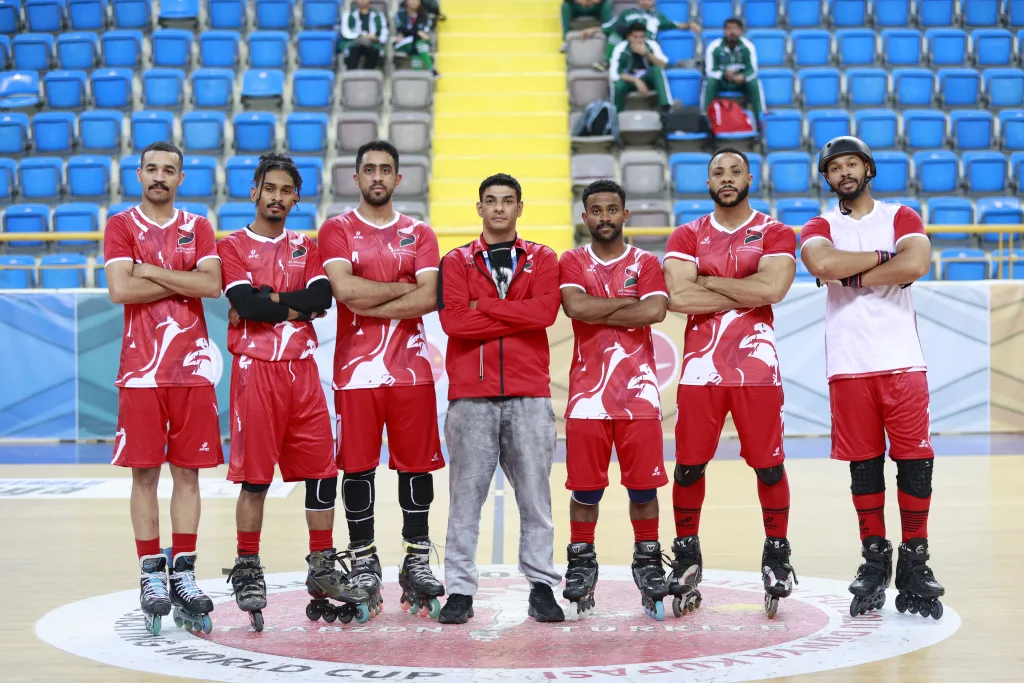
In 2029, Federation International Football Skating (FIFS) plans to organize the Football Skating Club World Cup for the RollerSoccer discipline.
Football Skating Club World Cup 2029
RollerSoccer Discipline
A New International Club Competition Under FIFS
The Global Club Championship for RollerSoccer
In 2029, Federation International Football Skating (FIFS) plans to organize the Football Skating Club World Cup for the RollerSoccer discipline.
Unlike the national-team structure used for other Football Skating competitions, the RollerSoccer World Cup will be organized as an international club championship.
This means that more than one qualified club from the same country may participate, subject to official registration, affiliation, technical compliance, and final approval under the competition regulations.
The Club World Cup will create a new international platform for RollerSoccer clubs, academies, athletes, coaches, referees, and national federations to compete within one professional and unified global system.
One Discipline. Many Clubs. One Global Stage.
Why a Club World Cup
RollerSoccer has historically developed through clubs, local teams, independent communities, and international club-based events.
For this reason, FIFS intends to preserve and strengthen the club identity of the discipline rather than converting the competition into a national-team-only model.
The Club World Cup format will allow:
- multiple qualified clubs from one country to participate
- cities and regions to develop their own official clubs
- clubs to build long-term player-development systems
- athletes to compete under established club identities
- international club rankings and rivalries to grow
- more players to access world-level competition
- and countries with strong RollerSoccer activity to enter several qualified teams
This model increases participation while preserving the authentic development pathway of RollerSoccer.
A Renewed International Version of RollerSoccer
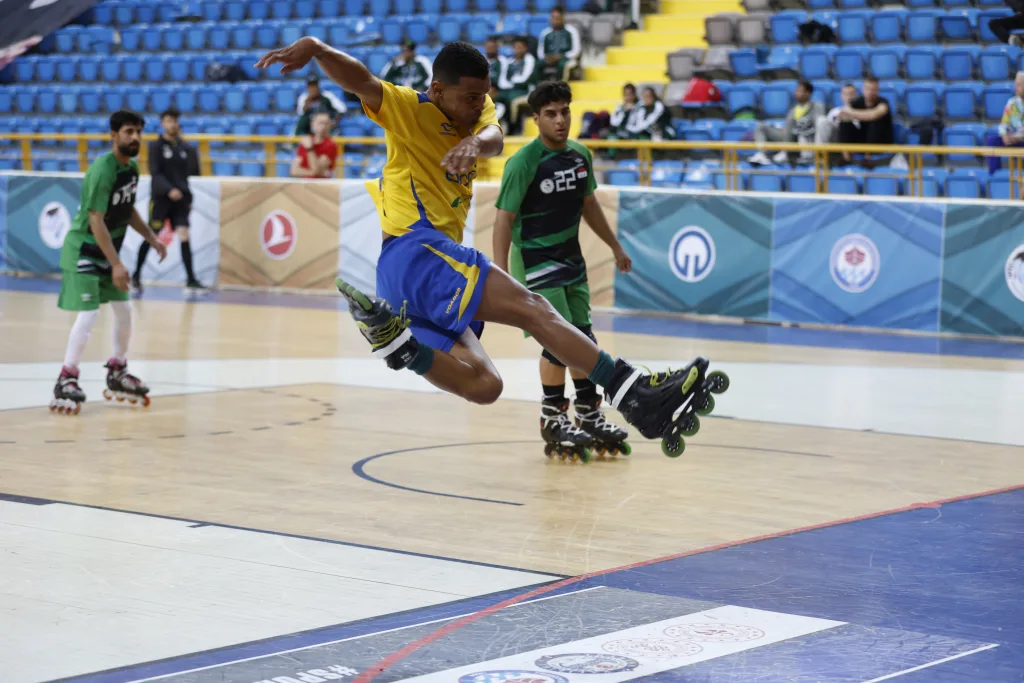
From 2026 to 2029, FIFS will lead a structured review and international development process for RollerSoccer.
The objective is to prepare a renewed competition version supported by clear, modern, and internationally applicable regulations.
This development process will focus on:
- reviewing and updating the Laws of the Game
- creating a consistent international competition structure
- standardizing coaching methodology
- standardizing referee education and appointment
- clarifying athlete eligibility and registration
- improving technical and safety requirements
- developing club-affiliation and licensing systems
- creating event-operation standards
- and preparing clubs and countries for the 2029 Club World Cup
The aim is not to remove the history or identity of RollerSoccer. The aim is to protect its strengths while establishing a stronger professional structure for international growth.
Harmonization Across FIFS Disciplines
A central part of the development strategy is the harmonization of RollerSoccer with the wider technical and educational system of FIFS.
The federation intends to align key areas of coaching, refereeing, administration, and competition delivery across its official disciplines while preserving the specific Laws of the Game of each discipline.
This harmonization may include:
- common educational foundations for coaches
- common referee-development principles
- shared standards for ethics and fair play
- consistent event-management procedures
- unified certification levels
- standardized disciplinary and safeguarding principles
- coordinated technical documentation
- and compatible international appointment systems
The result will be a more efficient federation system in which qualified professionals can develop across more than one discipline.
One Education Pathway, Multiple Disciplines
Under the planned system, qualified FUTINS coaches and referees may be able to complete discipline-specific conversion education and become eligible to work in RollerSoccer.
Likewise, RollerSoccer professionals may access broader FIFS development pathways where they meet the required standards.
This approach can:
- increase the number of qualified RollerSoccer coaches
- expand the international referee pool
- reduce duplication in education systems
- support countries with limited technical personnel
- improve consistency across competitions
- create more career opportunities for officials
- and accelerate the international growth of the discipline
Cross-discipline eligibility will not be automatic. Each person must complete the approved technical education, assessment, and authorization required for the relevant discipline.

A Global Opportunity for National Federations
National federations that currently develop FUTINS or other FIFS disciplines may apply to add RollerSoccer to their official national structure.
Where a federation is recognized or approved by its National Olympic Committee, Ministry of Sport, or other competent national authority, it may request authorization from FIFS to develop RollerSoccer under the federation's existing national framework.
Following approval, the national federation may be authorized to:
- establish a national RollerSoccer department
- register and supervise clubs
- organize national leagues and cups
- educate coaches and referees
- apply FIFS-approved technical regulations
- conduct national selection and development programs
- coordinate club eligibility for international events
- and prepare clubs for the 2029 Club World Cup
All national implementation must remain consistent with FIFS regulations, official approvals, and the international governance framework of the discipline.
Club Affiliation and Eligibility
Clubs seeking to enter the official RollerSoccer international pathway will be expected to complete the required affiliation, licensing, and registration process.
The assessment may include:
- legal identity and club governance
- official club leadership
- player-registration systems
- qualified coaches and technical staff
- training facilities
- equipment and safety standards
- medical and safeguarding arrangements
- competition activity
- financial and operational capacity
- commitment to FIFS ethics and regulations
- and readiness for international participation
Approved clubs may receive official affiliation or participation authorization in accordance with the final FIFS RollerSoccer framework.
Affiliation will establish the club's formal relationship with the international system but will not by itself guarantee entry into the World Cup. Final participation will remain subject to qualification criteria, registration deadlines, and event capacity.
Multiple Clubs from Each Country
The 2029 Club World Cup will allow multiple qualified clubs from the same country to participate.
This structure recognizes that strong RollerSoccer countries may have several competitive clubs in different cities and regions.
The number of clubs accepted from each country may depend on:
- national RollerSoccer development level
- number of officially registered clubs
- domestic league or qualification results
- continental allocation
- club ranking
- technical compliance
- event capacity
- and the final competition regulations
This model creates a more open and merit-based pathway than a single-team national allocation.
Qualification Pathways
The final qualification system will be confirmed in the official competition regulations.
Possible qualification routes may include:
- national RollerSoccer championships
- national cup competitions
- continental club championships
- regional qualification tournaments
- official FIFS club rankings
- host-country allocation
- defending champion status
- and approved invitational places during the development phase
The qualification model will be designed to reward sporting performance, club development, technical compliance, and geographic representation.
Competition Identity
The Football Skating Club World Cup 2029 will be a distinct international club competition with its own event identity, trophy, branding, regulations, and recognition system.
Participating clubs will represent their own official names, cities, countries, colors, and sporting histories.
The event may include:
- group-stage competition
- knockout rounds
- classification matches
- opening and closing ceremonies
- club parade and presentation
- technical meetings
- coach and referee seminars
- club leadership meetings
- media and broadcast programs
- sponsor activation
- awards and recognition
- and international club networking
The final format will depend on the number of participating clubs, host facilities, match scheduling, and the official Laws of the Game.
Laws of the Game
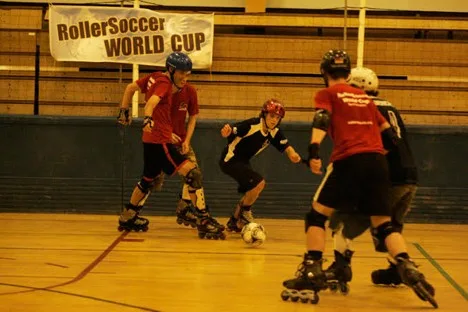
The renewed RollerSoccer competition structure will be governed by official FIFS RollerSoccer Laws of the Game.
The regulations will define:
- field and venue requirements
- team composition
- player eligibility
- match duration
- substitutions
- equipment
- goalkeeper and scoring provisions
- fouls and misconduct
- disciplinary procedures
- referee authority
- competition administration
- medical and safety standards
- and video or technology procedures where applicable
Detailed rules will be presented on the dedicated Laws of the Game page and in the official technical documents.
Coaching Development
A professional Club World Cup requires clubs to operate through qualified coaching systems.
From 2026 to 2029, FIFS and IPTC intend to support RollerSoccer coaching development through:
- introductory and advanced coach education
- discipline-conversion programs
- technical methodology
- team tactics
- player development
- match analysis
- fitness and skating preparation
- safety and injury prevention
- youth-development systems
- and club-performance planning
Coaching education will help clubs build sustainable programs rather than preparing only for one event.
Referee Development
International consistency depends on a trained and unified referee system.
The RollerSoccer referee pathway may include:
- Laws of the Game education
- discipline-specific conversion training
- practical match assessment
- fitness and skating requirements
- positioning and movement
- disciplinary management
- communication systems
- competition reporting
- ethics and neutrality
- and international appointment standards
The harmonized FIFS education model will help expand the referee pool while ensuring that each official understands the specific requirements of RollerSoccer.
Youth and Club Development
The Club World Cup will also support a broader development pathway for young athletes.
Clubs will be encouraged to establish:
- junior RollerSoccer programs
- school partnerships
- academy teams
- age-group competitions
- talent-identification programs
- coach-development systems
- local leagues
- and pathways from beginner participation to senior club competition
A strong youth structure will be essential for the long-term sustainability of the discipline and future editions of the Club World Cup.
Club Management and Professional Standards
The international growth of RollerSoccer depends not only on players and coaches but also on professional club administration.
Clubs may be required to demonstrate standards in:
- governance
- player contracts and registration
- financial management
- medical support
- insurance
- safeguarding
- media and communications
- sponsor relations
- travel and international logistics
- and compliance with competition regulations
FIFS and IPTC may provide management seminars and operational guidance to help clubs prepare for international participation.
International Club Congress and Forum
Alongside the World Cup, FIFS may organize an International RollerSoccer Club Congress or Club Development Forum.
This gathering would connect club presidents, managers, coaches, national federation officials, technical leaders, sponsors, and FIFS representatives.
Discussion areas may include:
- global club-development strategy
- national and continental leagues
- transfer and registration systems
- coach and referee education
- commercial development
- sponsorship
- broadcasting and digital media
- club rankings
- youth pathways
- future Club World Cups
- and international cooperation between clubs
The forum would help establish a permanent international network for RollerSoccer clubs.
Media, Broadcast and Commercial Potential
Club competition creates strong opportunities for storytelling, rivalry, city identity, fan engagement, sponsorship, and repeat participation.
The 2029 Club World Cup can create value through:
- live and recorded broadcasting
- digital highlights
- club and athlete stories
- sponsor activation
- ticketing
- merchandising
- hospitality
- international tourism
- content licensing
- and long-term club partnerships
A professionally structured media and commercial program can help RollerSoccer reach new audiences and support sustainable club development.
The Role of FIFS
FIFS will retain international authority over the RollerSoccer discipline and the Football Skating Club World Cup.
Its responsibilities will include:
- international governance
- approval of the Laws of the Game
- competition regulations
- club and federation authorization
- technical standards
- coach and referee frameworks
- international appointments
- event approval and oversight
- disciplinary and ethical standards
- and long-term global development strategy
FIFS will protect the identity of RollerSoccer while integrating it into a stronger and more unified international federation system.
The Role of IPTC
Within the authorized framework of FIFS, IPTC may support the educational, certification, licensing, operational, and international-development dimensions of the project.
Its responsibilities may include:
- coach and referee education
- conversion courses
- club-development seminars
- certification and licensing support
- registration systems
- technical documentation
- event planning
- international coordination
- competition operations
- and delivery support for the 2029 Club World Cup
IPTC will serve as an operational and educational partner in preparing the discipline, clubs, and officials for the new international competition structure.
The 2026-2029 Development Roadmap
2026 - International Review and Technical Planning
- review of existing RollerSoccer structures
- consultation with clubs and technical experts
- initial Laws of the Game development
- education-system planning
- and national federation engagement
2027 - Standardization and Pilot Development
- pilot coach and referee education
- club-affiliation framework
- testing of revised regulations
- national and regional development
- and technical feedback
2028 - Qualification Structure and International Preparation
- finalization of regulations
- official club registration
- national and continental competitions
- international official preparation
- host-country planning
- and commercial and media development
2029 - Football Skating Club World Cup
- international club competition
- official global launch of the renewed structure
- club congress or development forum
- coach and referee programs
- and planning for future editions
The Vision for 2029 and Beyond
The Football Skating Club World Cup 2029 is intended to begin a new chapter in the international development of RollerSoccer.
The long-term vision is to establish:
- strong national RollerSoccer club systems
- regular domestic leagues and cups
- continental club championships
- international club rankings
- professional coach and referee pathways
- youth and academy structures
- recurring Club World Cups
- and a permanent global network of RollerSoccer clubs
The World Cup will not represent the end of the development process. It will become the international platform through which clubs, federations, officials, athletes, and partners build the future of the discipline together.
Build the Clubs. Unite the Disciplines. Compete for the World.
Get involved
Connect with the world of Football Skating
FIFS welcomes official enquiries from national federations, clubs, schools, partners, event hosts, coaches and referees.